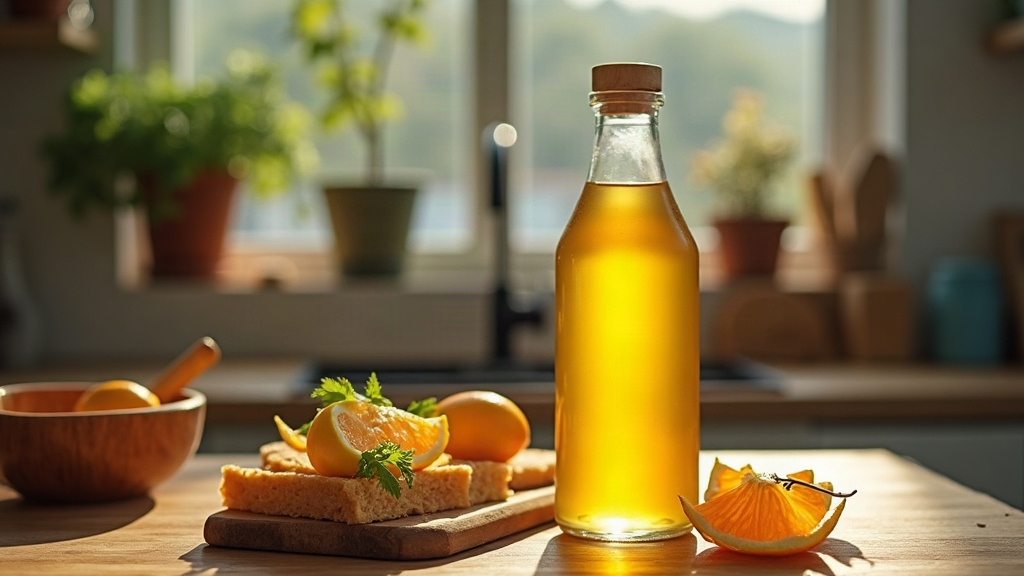
You expected a quick fix. What you find in old kitchens is something slower. This is the story of Biblical drink oil and Honey blend, breakfast habits, and the small choices that shape a morning — plain history and food culture, not medical advice.
Most mornings don’t go the way the alarm clock promised. Here’s what that actually looks like for a lot of people.
You slept, technically. But getting up still feels like wading through something thick. Breakfast becomes one more decision you didn't have energy for.
Up, then down. Focus, then fog again. That afternoon slump shows up right when there's still a full workday left.
Is this a good breakfast or a bad one? The labels keep changing. So does the advice. Nobody tells you which voice to trust.
Three times a day, every day, there's a decision to make. That adds up — not because any single meal is dramatic, but because there's no day off.
A lot of kitchen talk gets repeated so often it starts to sound true. Let’s slow down and look at three common ones.
Carbs are simply the enemy.
Food is more complicated than one nutrient on a list. Whole eating patterns matter more than banning a single food group — and your own plan is something to build with your doctor or dietitian, not a headline.
Fruit is basically sugar water.
Whole fruit isn’t the same as juice or syrup — it comes with fiber and context. How any one food fits your day is worth a real conversation with the professional who knows your history.
There’s a special category called “diabetic food.”
Most of that labeling is marketing, not a rulebook. Ordinary, balanced meals matter more than a sticker on a box — ask your care team what actually fits your situation.
None of this is a program. It’s just how a lot of traditional meals were structured, long before nutrition labels existed.
Some traditional meals put vegetables and protein first, starches later. It’s a habit of sequence, not a rule — small, and easy to notice.
Putting the fork down between bites. Chewing a little longer. Meals used to take time — that pace itself was the habit.
A short walk after eating shows up across a lot of food cultures. Nothing dramatic — just a few minutes instead of straight to the couch.
Long before modern kitchens, olive oil and honey sat side by side on tables across the Mediterranean and the Middle East. Bread was torn, dipped in oil, drizzled with honey — a combination tied to hospitality as much as to hunger. Old texts describe oil and honey as staples of daily life, offered to guests, packed for travelers, kept in the pantry the way we keep coffee today. It wasn’t a remedy. It was breakfast, and it was welcome.
Long before nutrition science existed, breakfast tables paired oil and honey simply because it tasted good, kept well, and fit the rhythm of a working morning.
If this keeps happening, it's worth describing to the doctor who follows your care — not something to sort out on your own.
A pattern like this is useful information for your healthcare provider, not a puzzle to solve with a search engine.
Before changing anything about your routine or your prescribed treatment, check with the professional who knows your history.
Bring it up at your next visit. It's a small detail that your doctor may want to know about.
A shift like this is worth mentioning to your healthcare provider, especially if it's new for you.
If you're considering adding something like an oil and honey blend to your routine, ask your doctor first — particularly if you take any medication.
These are individual experiences shared for illustrative purposes only. Results and experiences vary from person to person; this is not a guarantee of any outcome.
Explore the story of Biblical drink oil and Honey blend at your own pace. And whatever you try, keep your doctor in the loop before changing anything about your routine or your treatment.
Advertising Disclosure: This page contains sponsored content and affiliate links. We may receive compensation if you click a link or make a purchase through the links provided on this page. This does not affect the price you pay.
Content Disclaimer: This content is for educational and informational purposes only. It has not been evaluated by the FDA and is not intended to diagnose, treat, cure, or prevent any disease. It is not a substitute for professional medical advice, diagnosis, or treatment. Always consult a qualified healthcare professional before changing your diet, your routine, or any prescribed treatment.
Results Disclaimer: Individual results and experiences vary. Any testimonials or examples shared on this page are for illustrative purposes only and are not a guarantee of any specific outcome for any individual.
© 2026 · All Rights Reserved